
Game Design: The Designer’s Mindset
Think Like a Game Designer. Not Just Play Like One.
A live, mentor-led program where you learn how to analyze, design, and think like a game designer — and build a portfolio through structured assignments and feedback.
✔ Learn how games actually work (systems, loops, behavior)
✔ Discussion-driven learning + real critique
✔ Portfolio-focused outcomes
Enrol Now:
Unsure whether this is the right program for you?
Book a free 1:1 career counselling call and get complete clarity before you decide.

You love games… but:
- You play games but can’t explain why they’re engaging
- You have ideas but don’t know how to structure them
- Tutorials feel disconnected from real design thinking
- You don’t know how designers actually work in studios
- You don’t have a portfolio to show
Watching is not enough.
You need to think. Break down. Design. Iterate.
This is not a tool-based course.
This is a concept-first, discussion-driven program where you learn game design by analyzing, applying, and improving your thinking with feedback.
Mentor: Abhisake Goyal
With 12+ years of experience in AAA game development, Abhisake Goyal is currently a Lead Game Designer at Ubisoft, where he drives design vision and systems across large-scale titles and global teams. He has worked on major projects including Assassin’s Creed Nexus VR and Skull and Bones, contributing to open-world systems, player experience design, and large-scale gameplay mechanics.
Beyond production, he has extensive experience leading and mentoring design teams, owning game systems from concept to launch, and solving complex design challenges across AAA pipelines. Alongside his industry work, he has also taught game design at IIT Bombay, MIT Institute of Design, Backstage Pass, and Intuit Labs — bringing a rare combination of studio experience and structured teaching into this program.
Visuals for


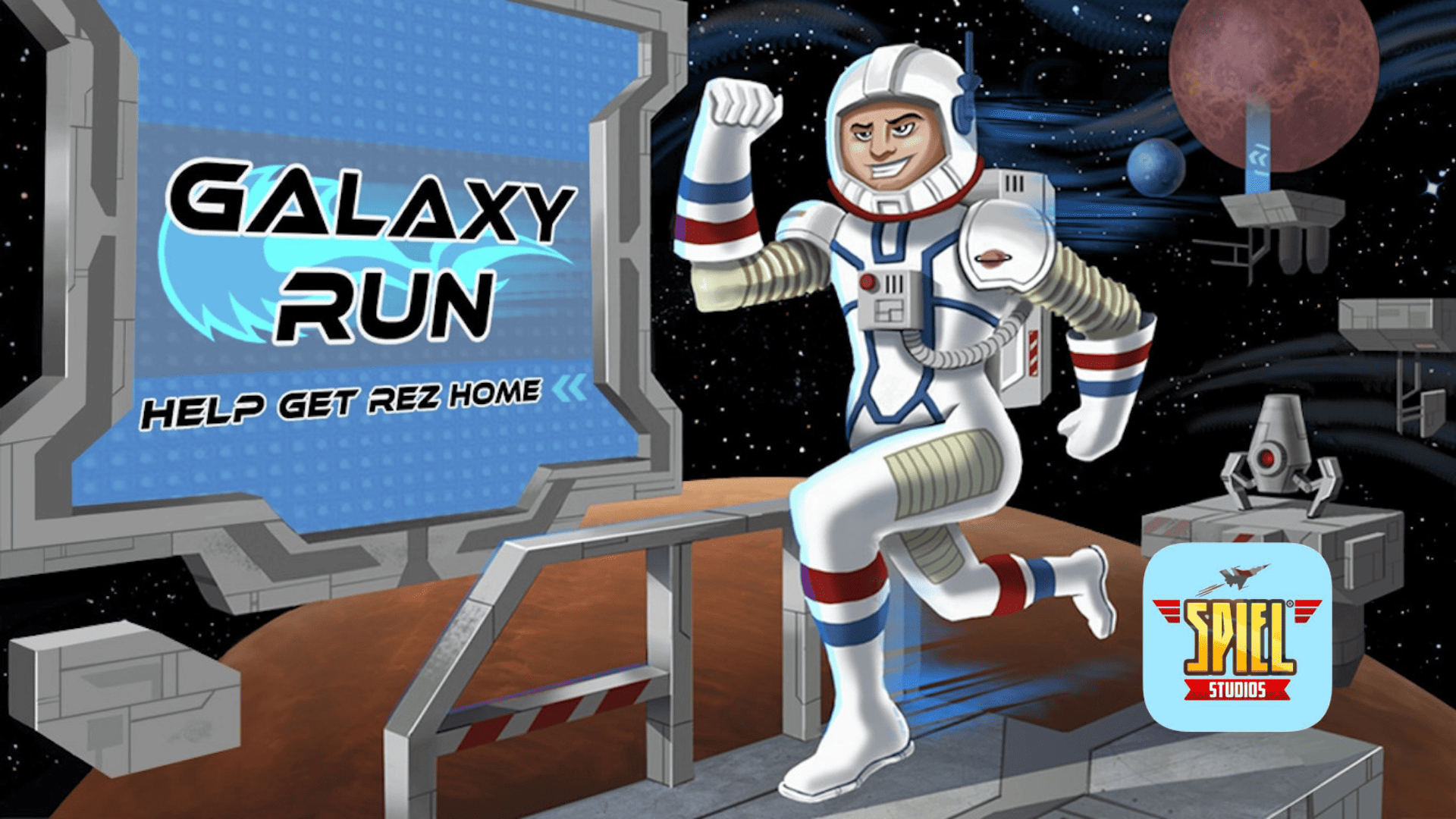

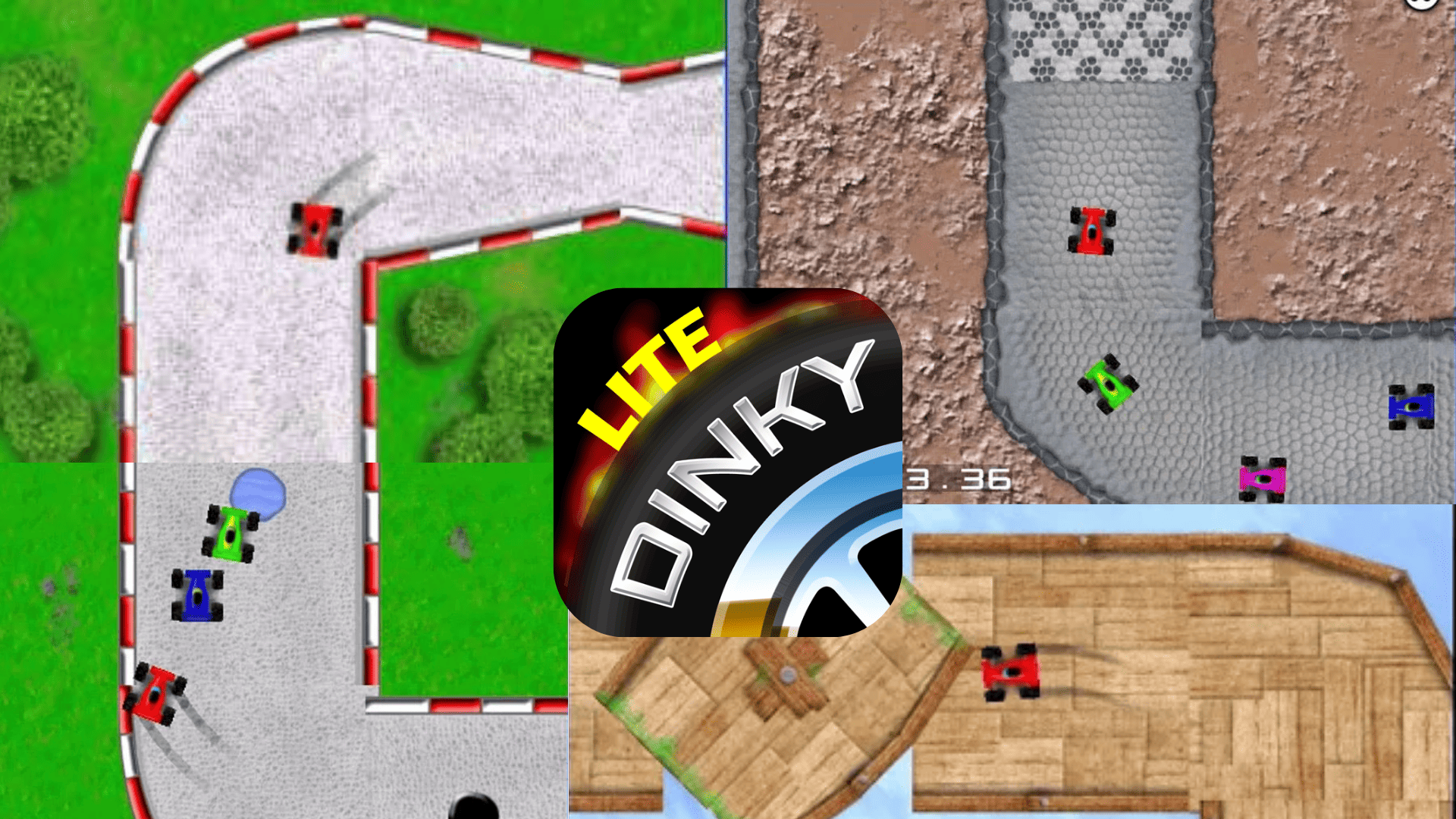
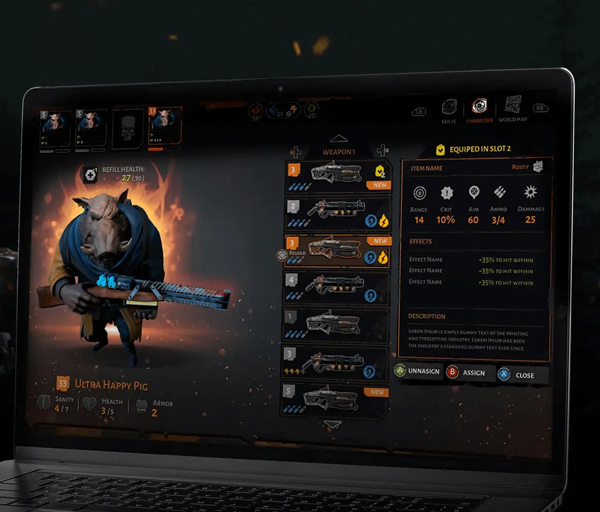
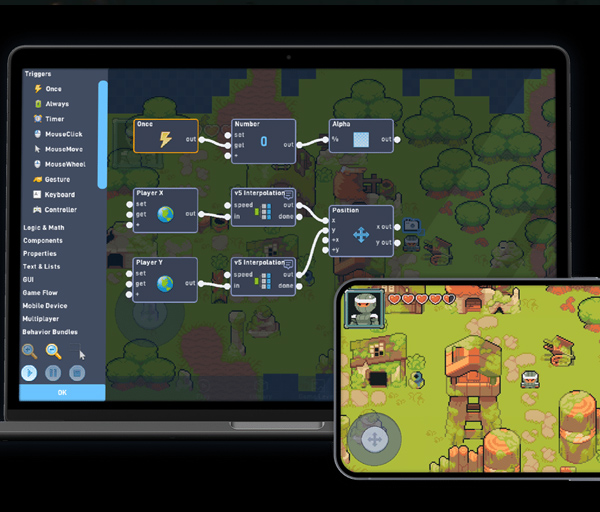
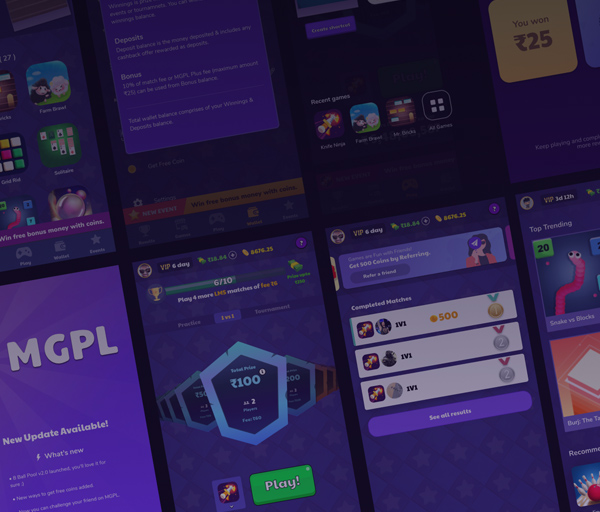
What You'll Learn
Program Stucture
18 Weeks | Live | 1 Session / Week
18 core sessions + project reviews
Weekly assignments
Discussion and critique-based learning
Portfolio-focused outcomes
Graduate with a strong design foundation and the ability to think like a designer.

What You Will Build
Game design breakdowns of existing games
Core loop and system design exercises
Level and player experience design concepts
A structured Game Design Document (GDD)
A portfolio-ready design project
Something you can actually present to studios.
You will work on structured design exercises and case studies, receive detailed feedback on your assignments, build a portfolio of design work, learn how to document and present your ideas clearly, and understand how game designers make decisions inside real studios.
By the end of this program, you will be able to analyze games like a designer, make structured design decisions, and build a portfolio that supports roles such as Game Designer, Level Designer, Systems Designer, or Narrative Designer.
Frequently Asked Questions
1. Do I need any prior experience to join?
No. This program is designed for beginners and aspiring designers. You don’t need coding or prior design experience.
2. Will I learn tools like Unity or Unreal?
This program focuses on design thinking, systems, and decision-making. Tools can be learned later — this builds the foundation needed before that.
3. What if I struggle to come up with ideas?
That’s expected. You’ll learn how to break down existing games and design systematically, not rely on random ideas.
4. How is this different from free tutorials online?
This program is structured, discussion-driven, and feedback-focused.
You won’t just consume content — you’ll learn how to think and apply design principles.